
Munich, 02.12.2025
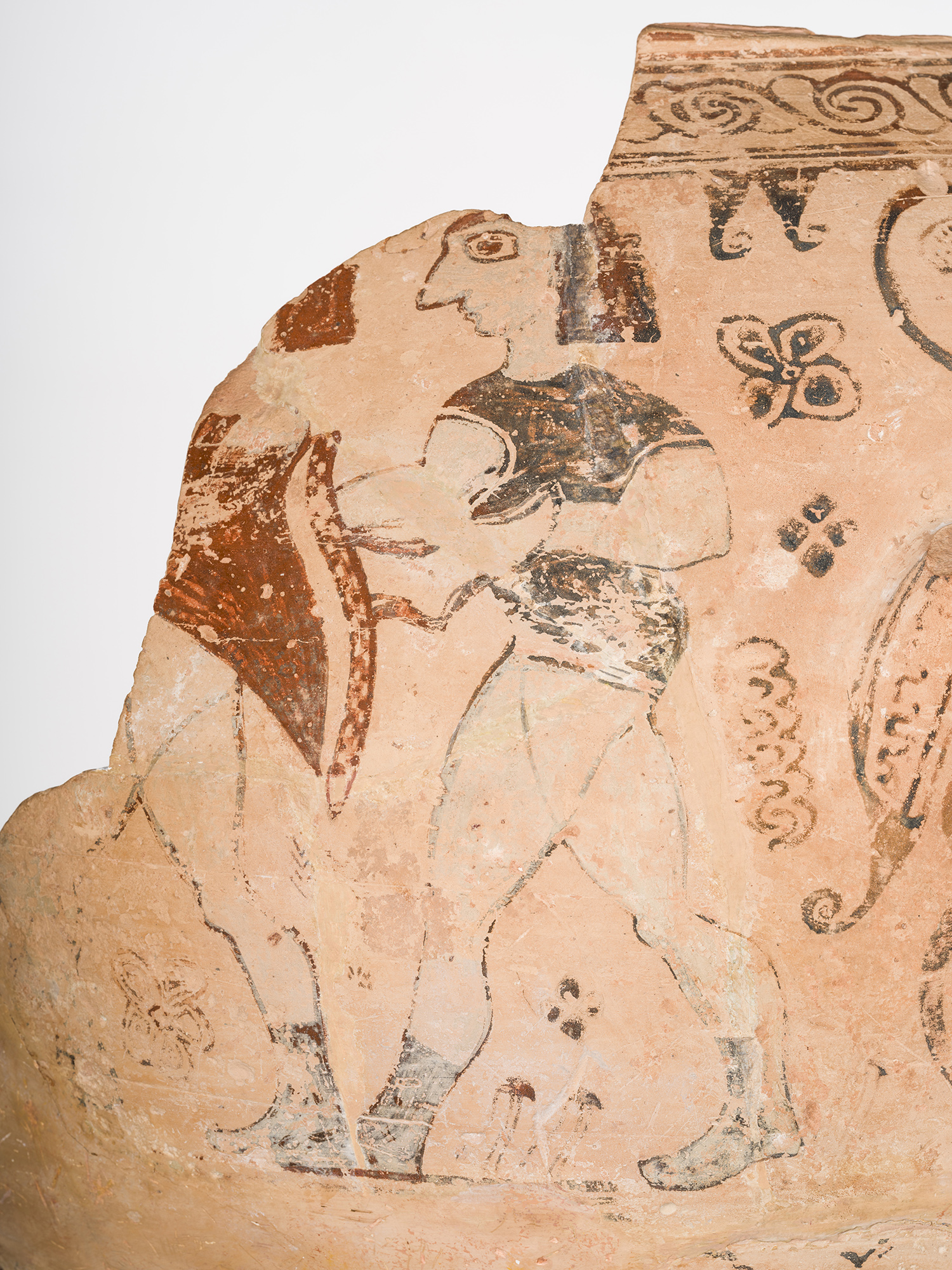
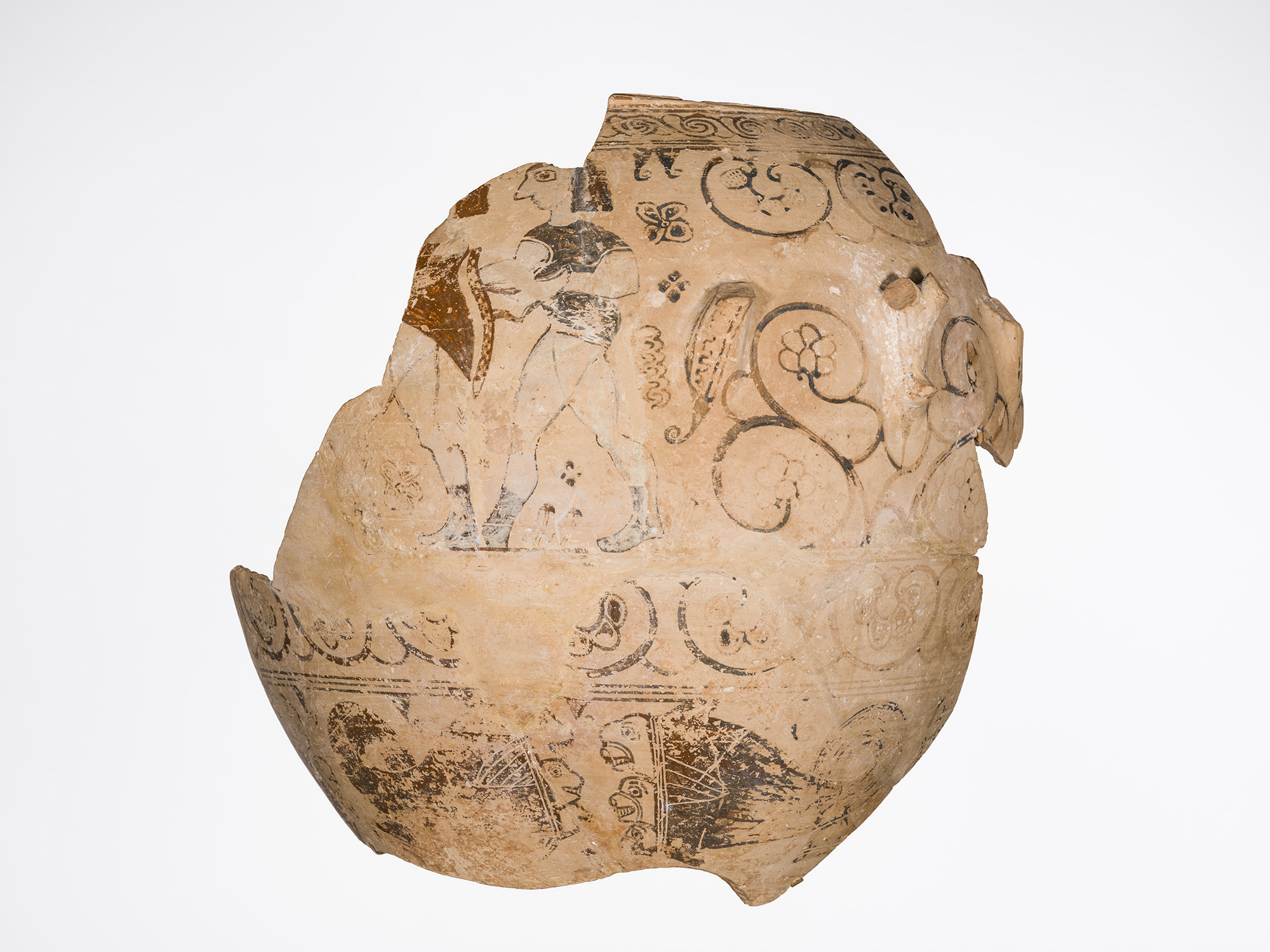
December began at the State Collections of Antiquities with an event at which Director Florian Knauß presented an extraordinary new acquisition to the public. Extraordinary above all because it is rare and also fills a gap in the world-famous Munich vase collection. We are talking about fragments of a krater, i.e. a large Greek wine mixing vessel, which was purchased with the support of the Ernst von Siemens Kunststiftung and the Verein der Freunde und Förderer der Glyptothek und der Antikensammlungen München. The Secretary General of the Art Foundation, Dr. Martin Hoernes, expressed his delight at this and explained the significance of the new acquisition:
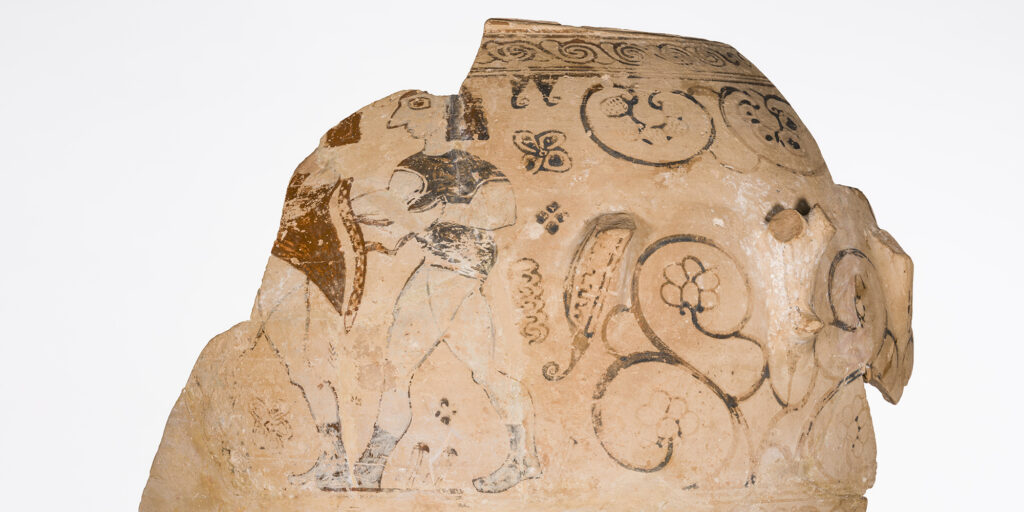
“Acquisitions of artifacts of such great age, of high painterly quality and with identifiable depictions are rare. This fragment of a Proto-Attic krater by the hand of the painter of the New York Nessos Amphora is an ideal addition to the Staatliche Antikensammlungen and perfectly complements the existing collection with an important example of early Greek art from the 7th century BC”.
In fact, as Florian Knauß explained in detail in his presentation, the complex pictorial narrative depicted on the vessel is one of the oldest in Greek art. In the main image, we see young men dragging a woman away to offer her as a human sacrifice. Based on comparisons, the scene can thus be assigned to the Trojan myths, which include two prominent examples of such human sacrifices, Iphigenia and Polyxena. In addition to this thematic classification, Knauß emphasized the prominent art-historical position of the fragments within Greek vase painting. This was in an experimental phase at the end of the 8th and in the first half of the 7th century BC. Traditional geometric systems of order had given way to new forms of decoration and pictorial themes, which often showed the influence of oriental models. Athens, where large-format, occasionally polychrome images of Greek myths appeared on the vases, had taken a special path at the time. The fragment by the painter of the New York Nessos amphora, who was one of the most innovative representatives of this type of vase painting in Athens at the time, should be viewed against precisely this background.
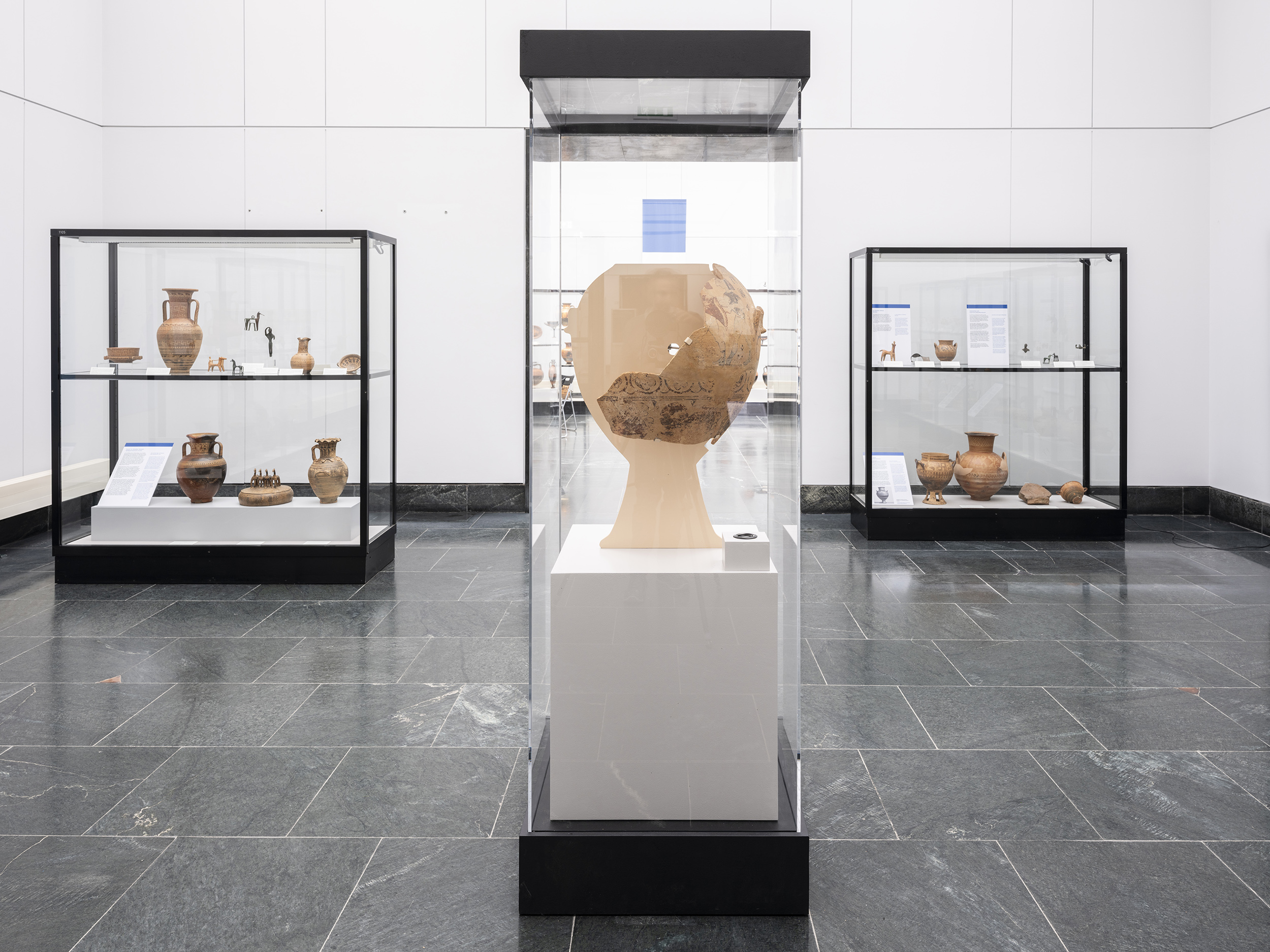
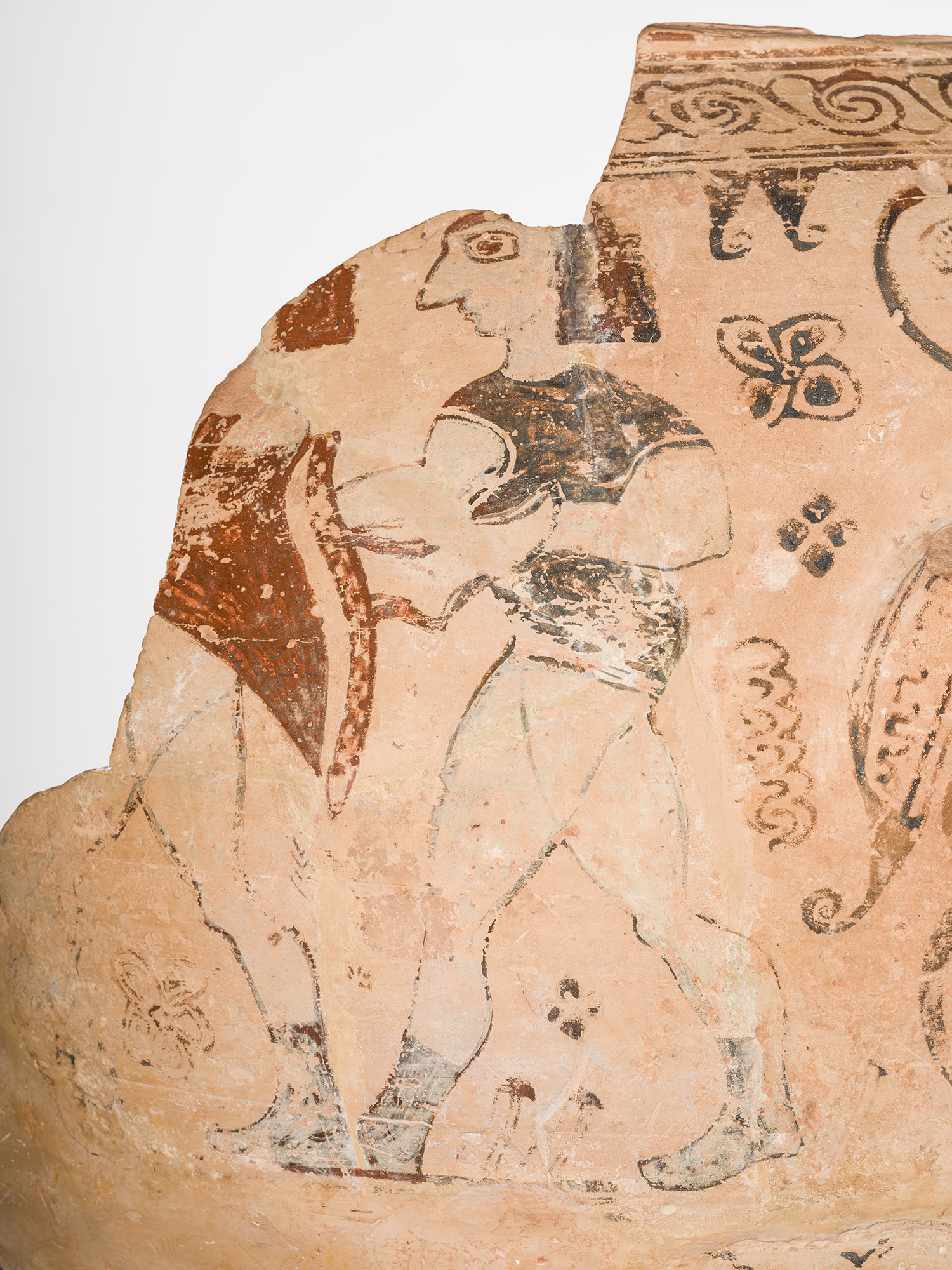
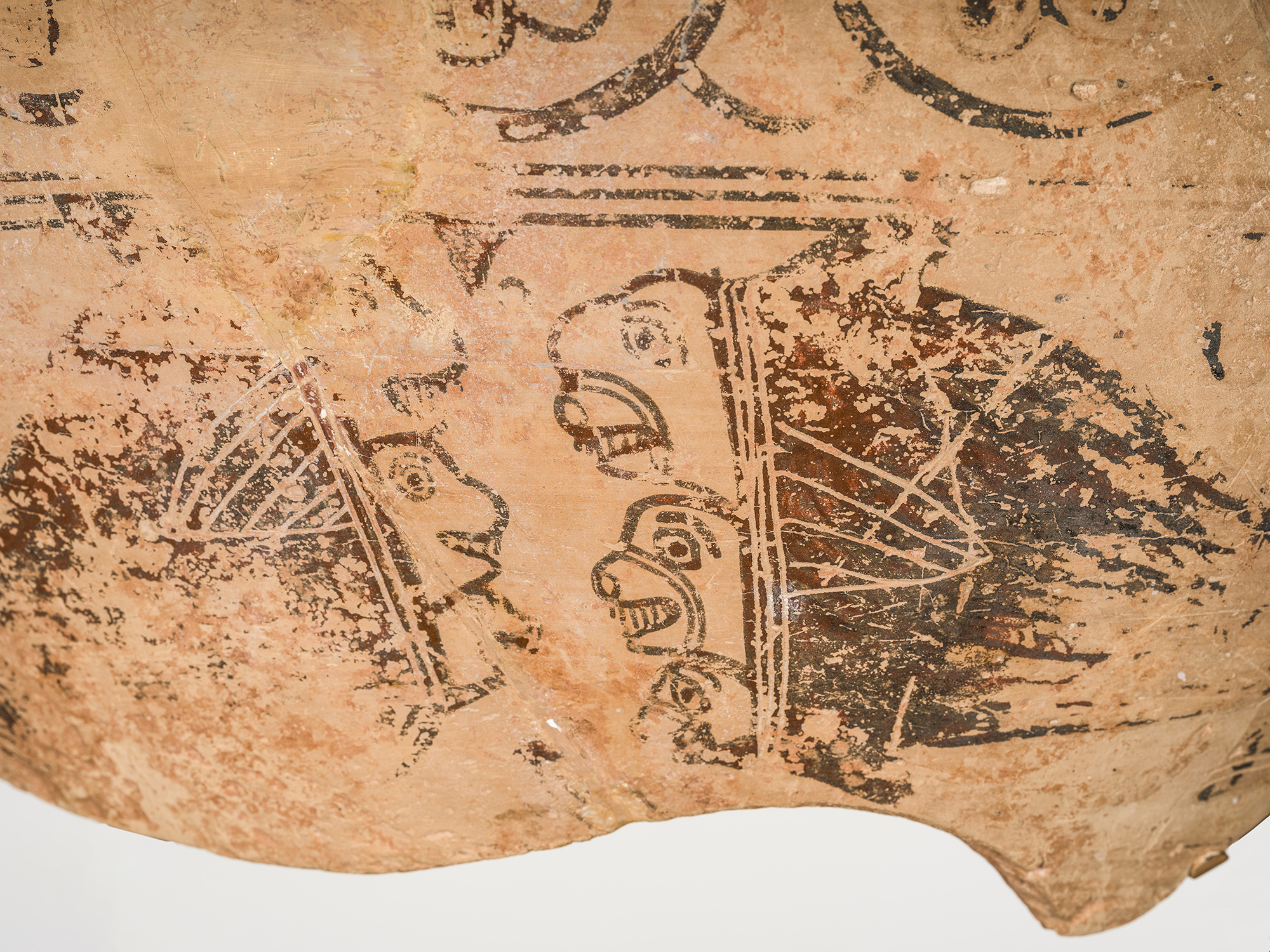
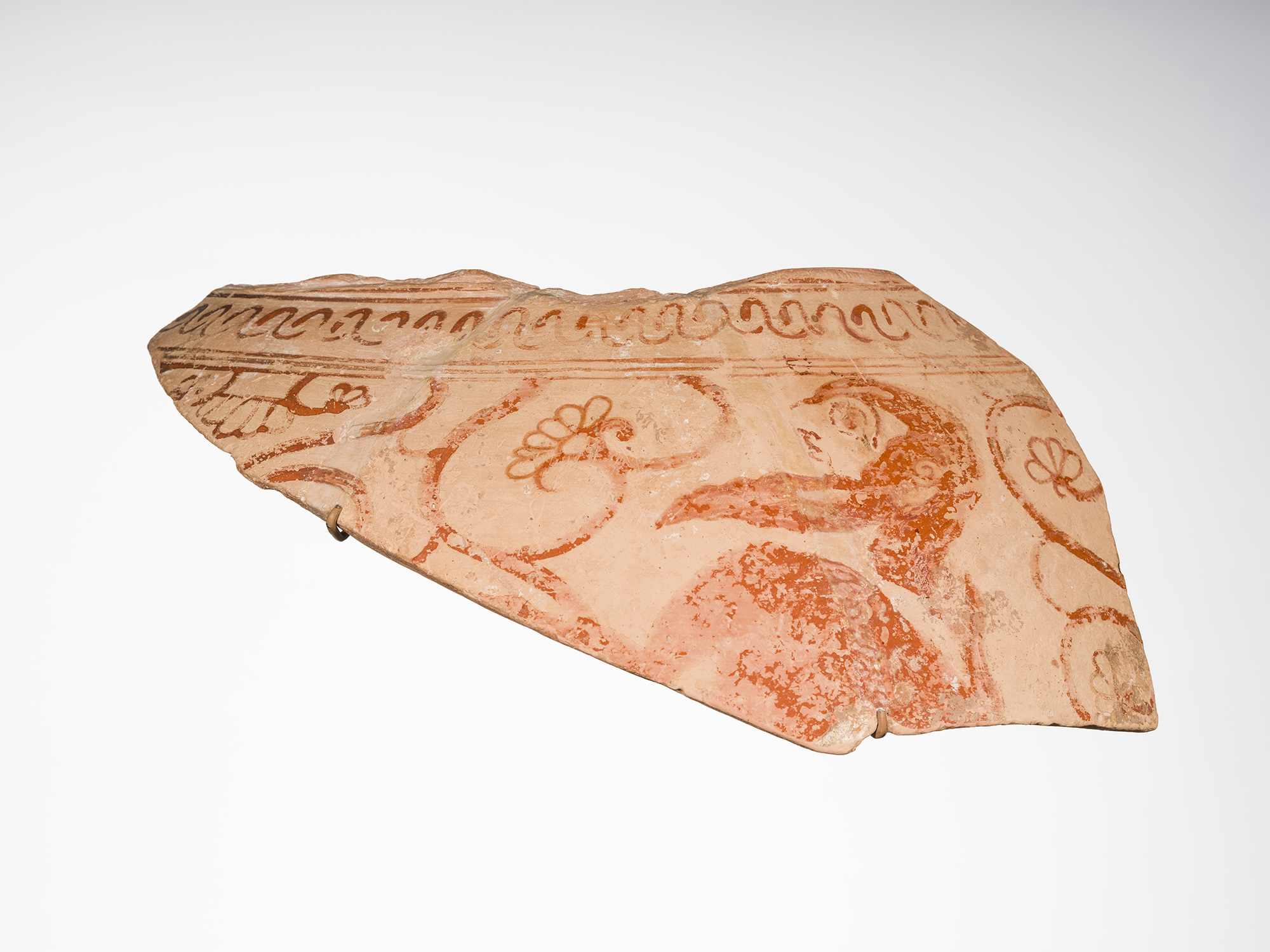
In order to illustrate the gap that the newly acquired fragments fill within the Munich vase collection, they have been correctly positioned in the original location of the vessel and embedded in a single display case in the section of the permanent exhibition dedicated to the early Greek period. This area was conceptually redesigned for this purpose and a new approach to museum presentation was adopted, which can also be seen as a pointer to the urgently needed general refurbishment of the State Collections of Antiquities.
Exhibition venue:
Staatliche Antikensammlungen München.
Königsplatz 1
80333 Munich
www.antike-am-koenigsplatz.mwn.de
Opening hours:
Tue to Sun: 10 am – 5 pm
Wed until 8 pm
Admission: € 6,- / € 4,-; up to 18 years free; Sun € 1,-
Press contact:
Prof. Dr. Oliver Hülden
Staatliche Antikensammlungen und Glyptothek
Katharina-von-Bora-Str. 10
80333 Munich
huelden@antike-am-koenigsplatz.mwn.de